
Introduction
In recent years, organic farming has gained significant attention as people become more conscious of their health and the environment. Organic farming is an agricultural method that focuses on growing crops and raising livestock without the use of synthetic fertilizers, pesticides, genetically modified organisms (GMOs), or harmful chemicals. Instead, it relies on natural processes, biodiversity, and ecological balance to produce healthy and nutritious food.
As concerns about climate change, soil degradation, and food safety continue to grow, organic farming offers a sustainable solution that benefits both people and the planet. Whether you are a health enthusiast interested in cleaner food or someone looking to create a greener lifestyle, understanding organic farming can help you make informed choices. Even better, you can start your own organic garden at home, regardless of whether you live in a small apartment or have a spacious backyard.
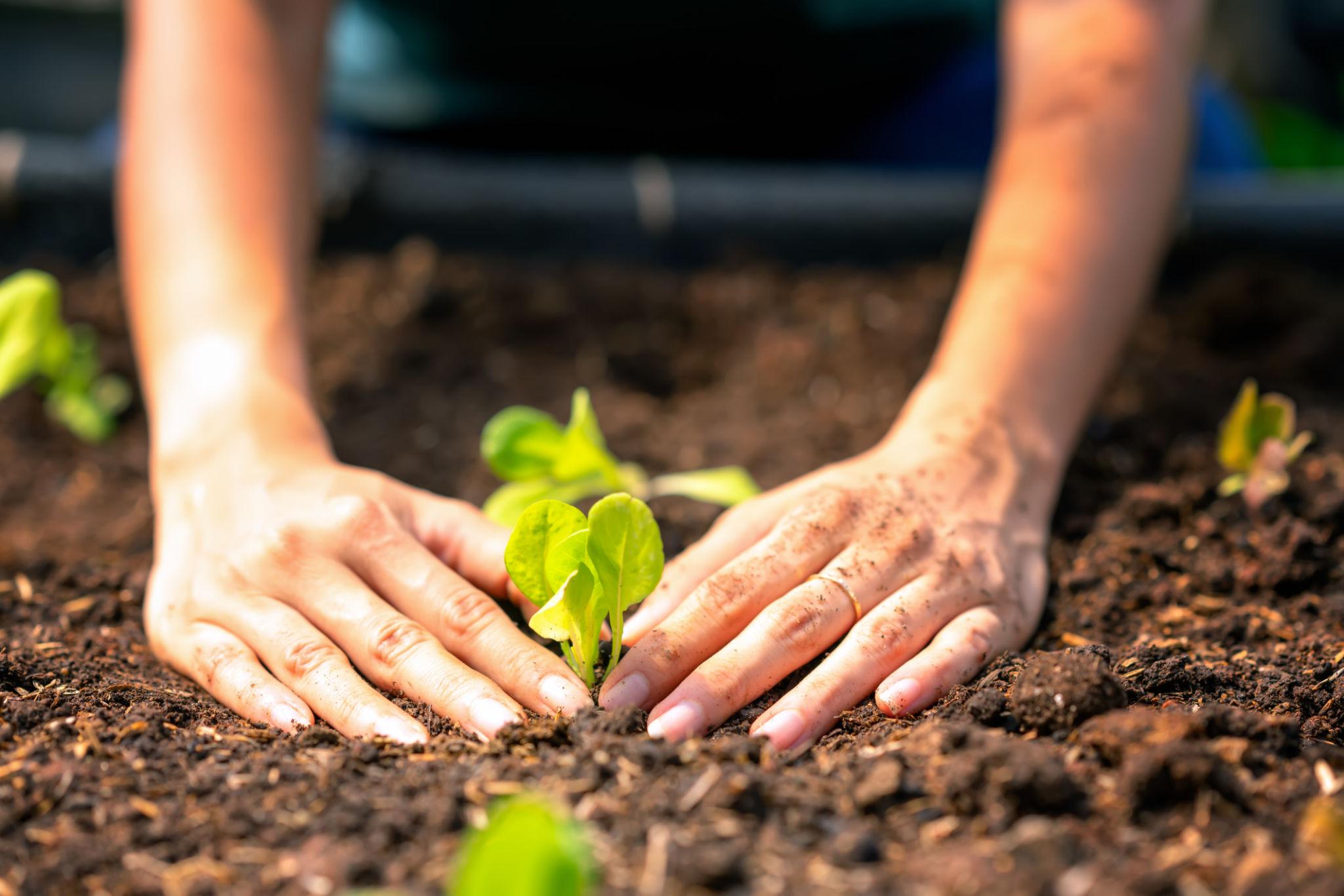
Environmental Benefits of Organic Farming
One of the greatest advantages of organic farming is its positive impact on the environment. By working with nature rather than against it, organic farming helps preserve ecosystems and promotes long-term sustainability.
Key Environmental Benefits
• Enhanced Biodiversity
Organic farms support a wider variety of plants, insects, birds, and wildlife compared to conventional farms. Since organic farming avoids synthetic pesticides and herbicides, beneficial insects such as bees, butterflies, and ladybugs can thrive.

Why it matters:
- Supports pollinators essential for food production.
- Creates balanced ecosystems.
- Reduces the risk of species decline.
• Improved Soil Health
Healthy soil is the foundation of sustainable agriculture. Organic farmers use compost, crop rotation, cover crops, and natural fertilizers to enrich the soil.
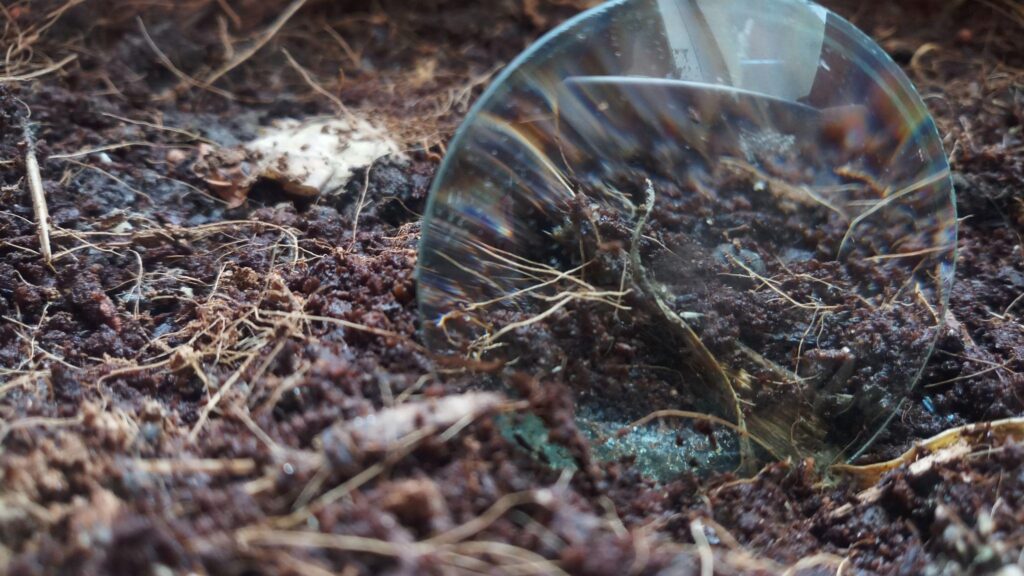
Benefits include:
- Increased organic matter content.
- Better water retention.
- Improved nutrient availability.
- Reduced soil erosion.
According to research published by the Rodale Institute, organically managed soils can store more carbon and retain water more effectively than conventionally managed soils, making them more resilient during drought conditions.
• Reduced Chemical Pollution
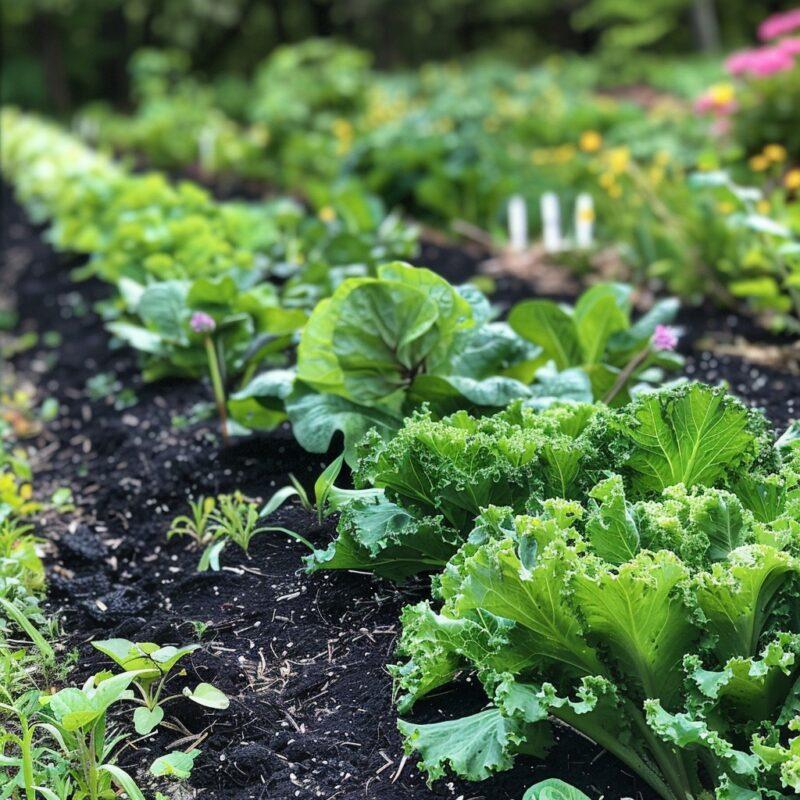
Conventional farming often relies heavily on synthetic fertilizers and pesticides that can contaminate waterways, harm wildlife, and affect human health.
Organic farming helps reduce pollution by:
- Eliminating synthetic chemical inputs.
- Preventing chemical runoff into rivers and lakes.
- Protecting groundwater quality.
- Supporting cleaner ecosystems.
• Lower Carbon Footprint
Organic farming often uses fewer fossil-fuel-based inputs and encourages practices that capture carbon in the soil.
Examples include:
- Composting organic waste.
- Cover cropping.
- Reduced dependence on synthetic fertilizers.
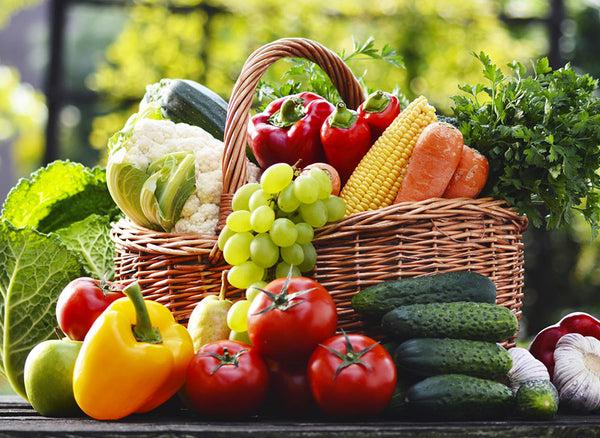
These practices contribute to climate change mitigation while improving agricultural sustainability.
• Better Water Conservation
Healthy organic soils act like sponges, absorbing and retaining water more effectively. This reduces irrigation needs and helps farms remain productive during dry periods.
Benefits include:
- Reduced water waste.
- Improved drought resistance.
- Better protection against flooding and runoff.
Health Benefits of Organic Food
While environmental sustainability is a major advantage, many people choose organic food because of its potential health benefits.
Reduced Exposure to Pesticides
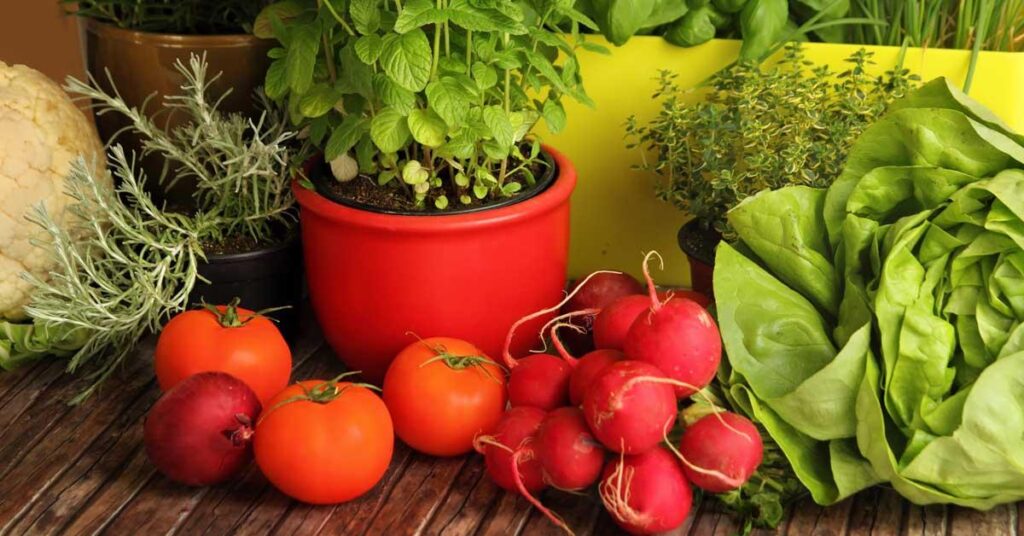
Organic foods are produced without synthetic pesticides. This can significantly reduce exposure to chemical residues that may remain on fruits and vegetables.
For families with young children, reducing pesticide exposure is often a primary reason for choosing organic produce.
Higher Nutritional Value
Several studies suggest that some organic foods may contain higher levels of antioxidants and beneficial plant compounds compared to conventionally grown alternatives.
These nutrients help:
- Support immune function.
- Reduce inflammation.
- Protect cells from oxidative stress.
No Artificial Additives
Organic standards generally restrict the use of artificial preservatives, colors, flavors, and sweeteners. As a result, consumers often enjoy food in a more natural form.
Better Overall Lifestyle Choices
People who prioritize organic food often adopt other healthy habits, including:
- Eating more fruits and vegetables.
- Cooking meals at home.
- Supporting sustainable food systems.
- Reducing processed food consumption.
Together, these habits contribute to improved overall well-being.
Actionable Tips for Starting an Organic Garden
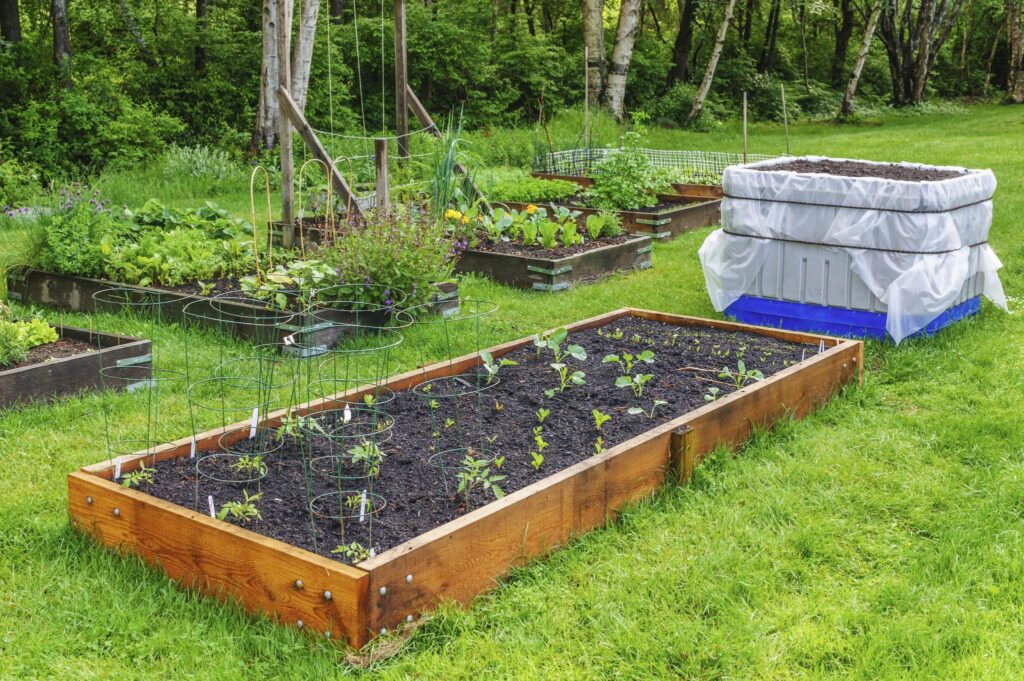
The good news is that you do not need a large farm to practice organic gardening. Whether you live in a city apartment or have a large backyard, you can grow fresh organic produce successfully.
1. Choose the Right Location
Plants need adequate sunlight to thrive.
Tips:
- Select a spot receiving at least 6–8 hours of sunlight daily.
- Use balconies, windowsills, rooftops, or patios if outdoor space is limited.
- Observe sunlight patterns before planting.
2. Start Small
Many beginners become overwhelmed by trying to grow too much at once.
Start with:
- Tomatoes
- Lettuce
- Spinach
- Basil
- Mint
- Green onions
A small garden is easier to manage and helps build confidence.
3. Use Organic Soil and Compost
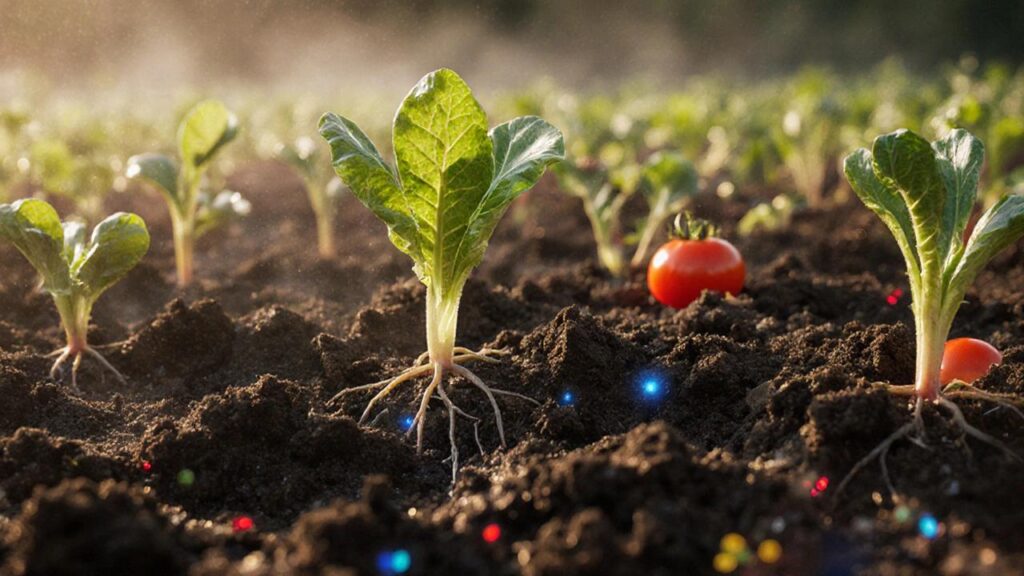
Healthy soil is essential for healthy plants.
Action Steps:
- Purchase organic potting soil.
- Add homemade compost.
- Mix in natural organic fertilizers.
- Avoid synthetic chemical fertilizers.
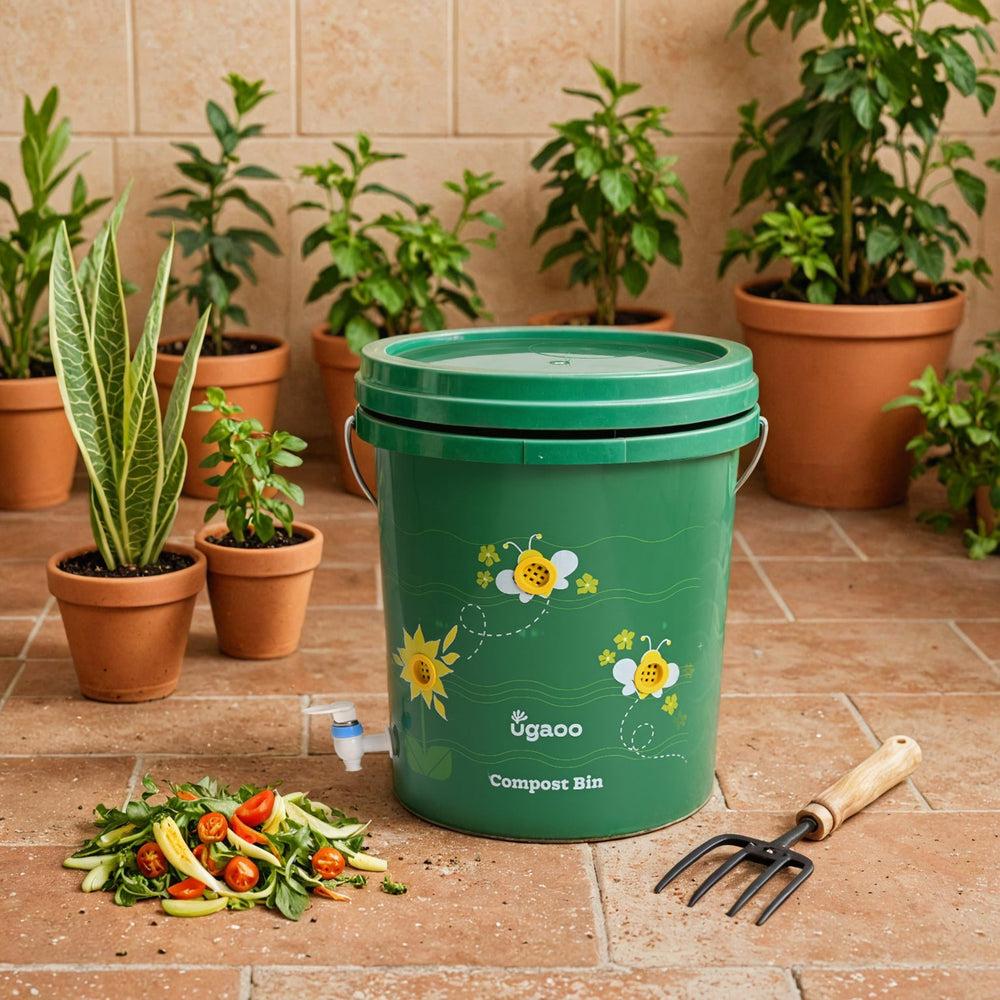
Kitchen scraps such as vegetable peels, fruit scraps, and coffee grounds can be composted to create nutrient-rich soil amendments.
4. Select Suitable Plants
Choose crops that grow well in your climate and available space.
For Small Apartments:
- Herbs
- Lettuce
- Microgreens
- Chili peppers
- Strawberries
For Larger Backyards:
- Tomatoes
- Cucumbers
- Carrots
- Beans
- Pumpkin
- Cabbage
Growing plants suited to your local conditions increases the chances of success.
5. Practice Natural Pest Control
Instead of chemical pesticides, use environmentally friendly methods.
Organic pest control methods:
- Introduce beneficial insects like ladybugs.
- Use neem oil sprays.
- Plant pest-repelling herbs such as basil and marigolds.
- Remove pests manually when necessary.
These methods help maintain ecological balance while protecting crops.
6. Water Efficiently
Proper watering promotes healthy plant growth while conserving resources.
Best practices:
- Water early in the morning.
- Use mulch to retain soil moisture.
- Install drip irrigation if possible.
- Avoid overwatering.
7. Rotate Crops
Growing the same plant repeatedly in the same location can deplete nutrients and increase pest problems.
Crop rotation helps:
- Improve soil fertility.
- Reduce disease buildup.
- Minimize pest infestations.
8. Encourage Pollinators
Pollinators are essential for many fruits and vegetables.
Plant flowers such as:
- Sunflowers
- Lavender
- Marigolds
- Zinnias
These attract bees and butterflies that support plant reproduction.
9. Save Seeds
Once you gain experience, consider collecting seeds from healthy plants.
Benefits include:
- Reduced gardening costs.
- Preservation of plant varieties.
- Increased self-sufficiency.
10. Keep Learning
Organic gardening is a continuous learning process.
Ways to improve:
- Join local gardening groups.
- Read organic farming books.
- Attend workshops.
- Follow sustainable agriculture experts.
Every growing season provides valuable lessons and opportunities for improvement.
Conclusion
Organic farming represents much more than a method of food production—it is a commitment to environmental stewardship, healthier living, and long-term sustainability. By enhancing biodiversity, improving soil health, reducing pollution, and conserving natural resources, organic farming helps create a healthier planet for future generations.
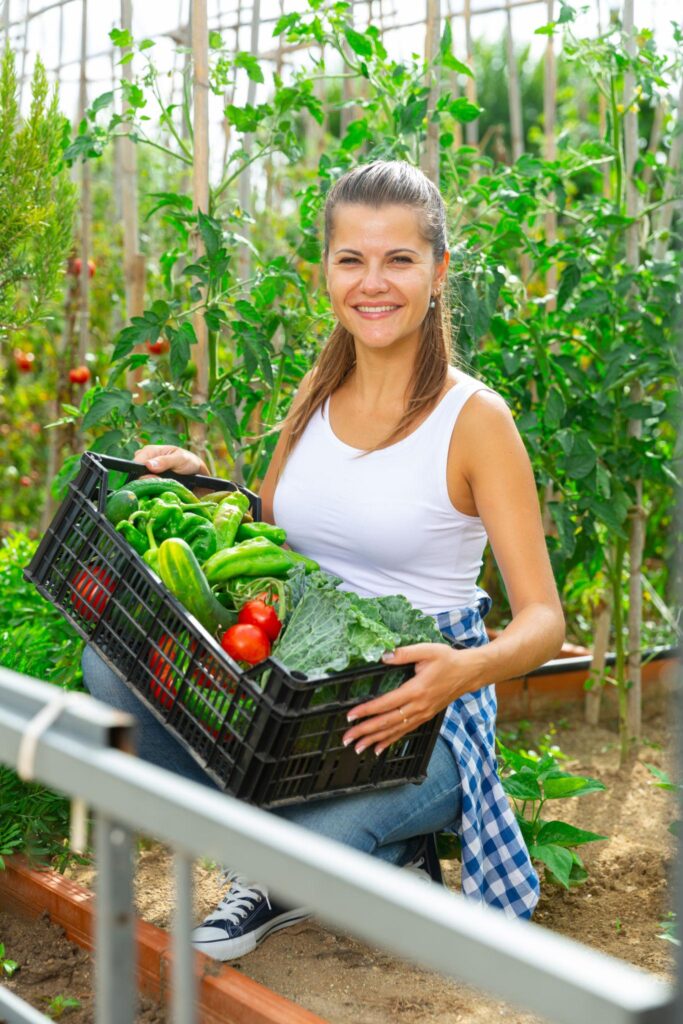
At the same time, organic food offers consumers a cleaner and more natural option that aligns with a health-conscious lifestyle. Whether you have a small balcony, a rooftop garden, or a spacious backyard, starting an organic garden is an achievable and rewarding step toward sustainable living.
The journey does not require perfection. Begin with a few plants, nurture your soil, and embrace natural growing methods. Every seed you plant contributes to a healthier environment and a healthier future. Start small, stay consistent, and enjoy the satisfaction of growing your own organic food.